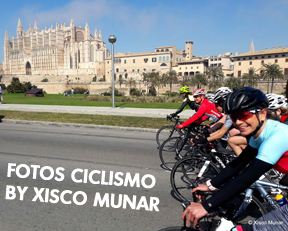

The Song of the Sibyl is one of the most deeply rooted traditions in Mallorca, a medieval liturgical chant that has endured throughout the centuries, being one of the last manifestations of this tradition in the world.
It is performed during Midnight Mass, on Christmas Eve, in the churches of the island of Mallorca
particularly notable in the Chatedral of Palma (La Seu) and the Monastery of Lluc.
The Song of the Sibyl, of medieval origin, is a liturgical drama with Gregorian melody.
Declared an Intangible Cultural Heritage of Humanity by UNESCO in 2010, a recognition of its cultural importance and continuity throughout the centuries.
His singing became a central part of the Christmas liturgy in southwestern Europe, especially in regions of what are now Spain, France, Italy, and Portugal.
The history of the Song of the Sibyl in Mallorca probably begins after the conquest of the island by the Crown of Aragón in 1229.
The first records date from between 1360 and 1363, written in the consueta de tempore1 of the Cathedral of Mallorca, from there, the song became popular in the Mallorcan churches, where it was originally sung in Latin.
Over the centuries, the tradition was transformed.
At the end of the 15th century, during the time of the Catholic Monarchs, versions in Old Catalan were incorporated, and it was not until 1511 that a clergyman from the Cathedral of Palma, Monsignor Joan Font, transcribed the Song of the Sibyl in its Catalan version, establishing the basis for its definitive popularization in Mallorca.
Mallorca and the Sardinian city of Alghero are the only places where the Cant de la Sibil·la has survived uninterrupted since the Middle Ages.
The liturgy of the Song of the Sibyl reached its peak during the 16th and 17th centuries, but it also suffered episodes of prohibitions and attempts at eradication, such as those dictated by the Council of Trent.2 (1545-1563).
In Mallorca, the tradition was temporarily interrupted in 1572 due to restrictions imposed by Bishop Diego de Arnedo. However, in 1575, Bishop Joan Vich i Manrique allowed its reestablishment, provided that the deeply religious meaning of the rite was maintained.
Over time, singing continued to be part of Christmas celebrations in Mallorca, adapting to social and religious changes, but without losing its essence.
The Song of the Sibyl has endured not only for its liturgical value, but also for its ability to connect communities with their history and culture.
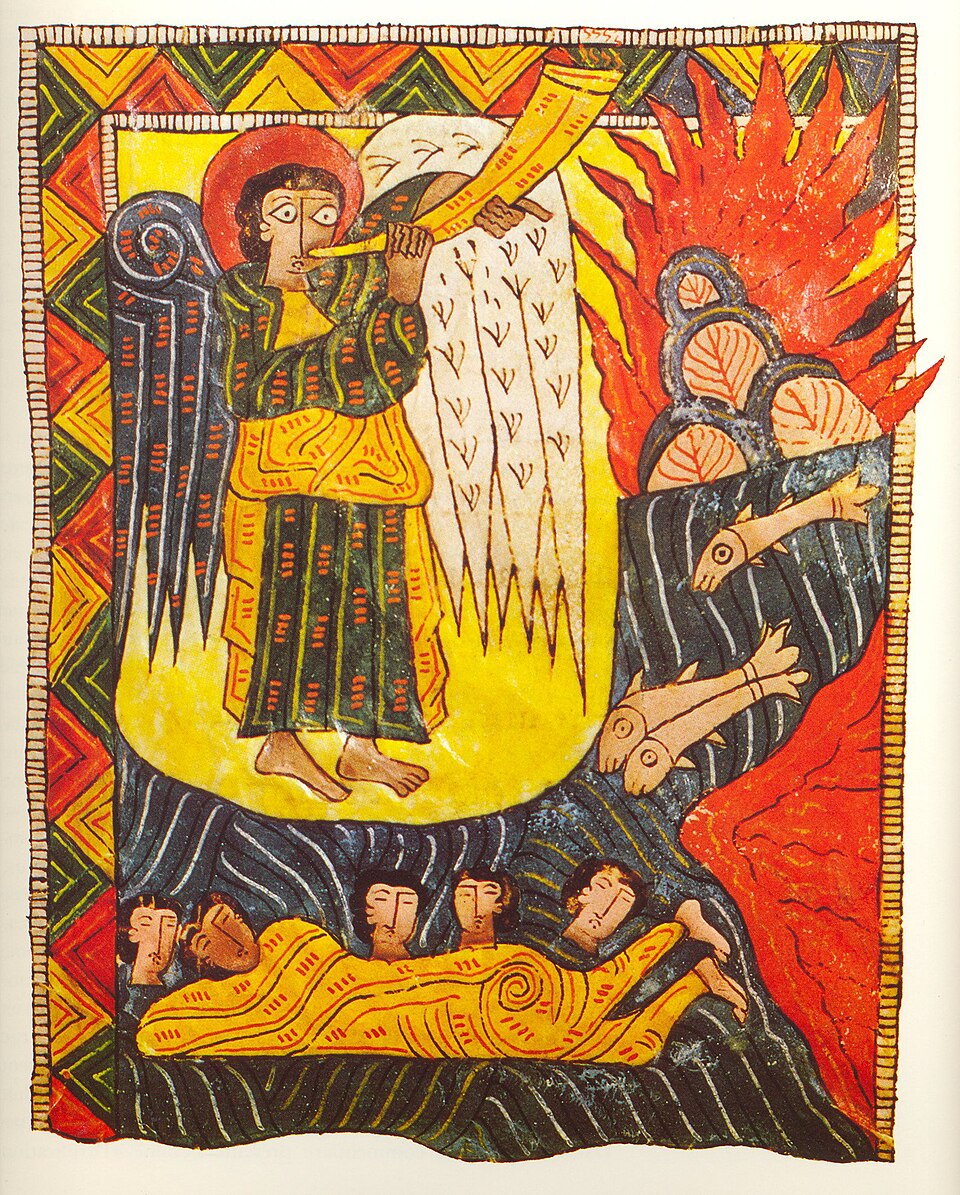
The Sibyl, a mythological figure who prophesies the end of the world, was adapted by Christianity during the Middle Ages as a metaphor for the Last Judgment.
Throughout the centuries, it has been performed by young singers, initially in Latin and later in Catalan, maintaining an important symbolic charge that evokes the Christian hope of salvation and the Last Judgment.
Today, the Cant de la Sibil·la is not only a vestige of medieval liturgy, but a living testament to Mallorcan cultural identity.
With each performance, the Gregorian chant that resonates in Palma Cathedral reminds the world of the importance of preserving our traditions, a heritage that connects the past with the present.
Through the Song of the Sibyl, Mallorca continues to celebrate Christmas in a unique way, which not only evokes the second coming of Jesus Christ to judge the world, but also the deep spirituality of a tradition that has withstood the test of time.
- Book of Ceremonies: A manuscript or book in which the festivities, texts and instructions for the divine office (liturgy of the hours) throughout the year are recorded, used by ecclesiastics. ↩︎
- The Council of Trent (1545-1563) was a crucial ecumenical council for the Catholic Church, convened by Pope Paul III in response to the Protestant Reformation to define its doctrine, reform abuses and revitalize the faith, marking the beginning of the Counter-Reformation by reaffirming Catholic tradition (faith and works, seven sacraments, papal authority, Latin Vulgate) while condemning Protestant ideas (sola fide, sola scriptura) and establishing disciplinary measures such as the creation of seminaries for the clergy, defining modern Catholicism. ↩︎